

ABSTRACT
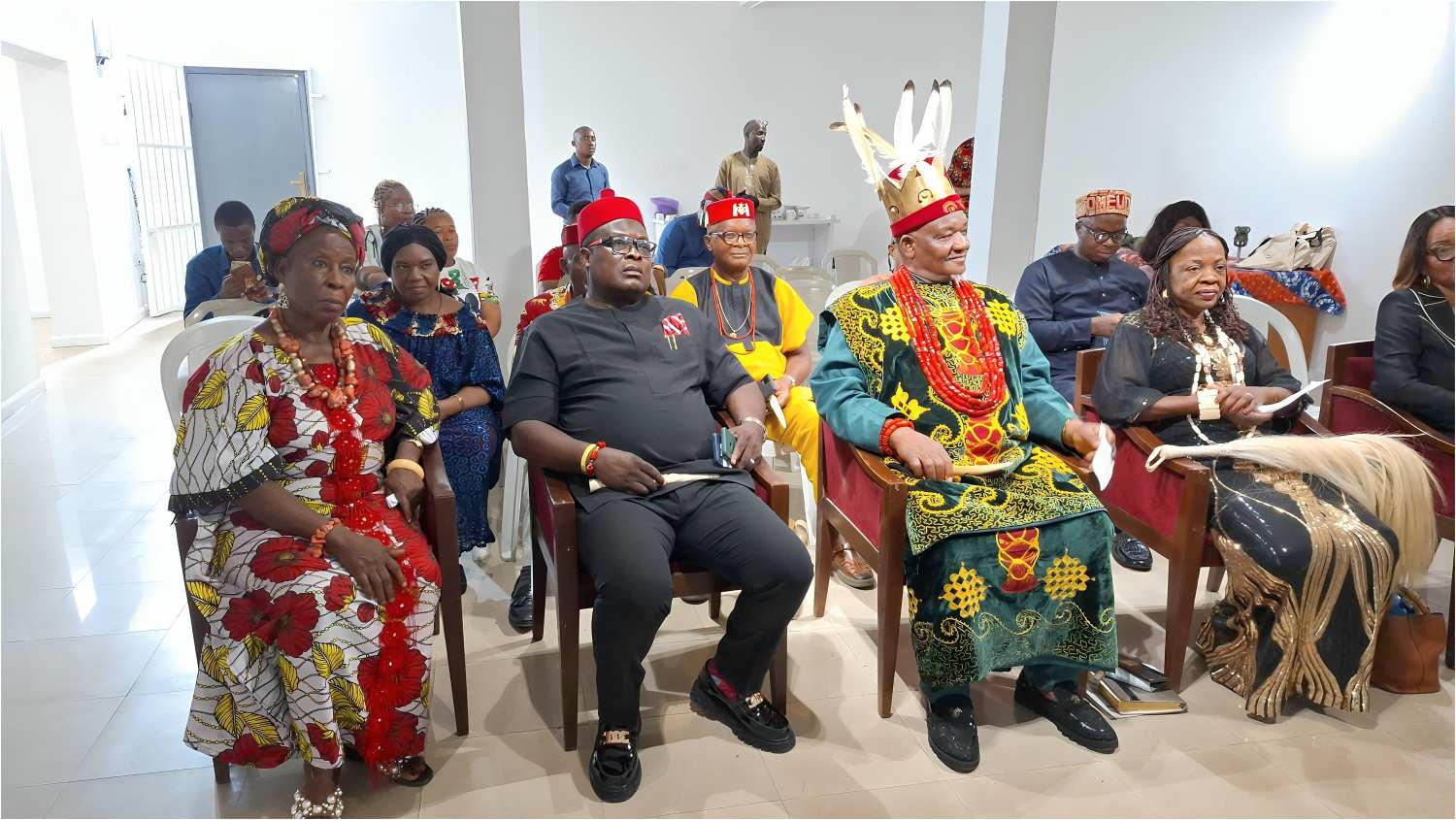
This paper presents a study of the long-term relationships and negotiations that supported archaeological exploration for 85 years at an internationally important complex of sites known as Igbo-Ukwu in southeastern Nigeria. The goals and views of the Igbo-Ukwu people concerning their archaeology are documented over time. The history of the relationships, collaborations and kinship-making between archaeologists and Igbo-Ukwu’s elected representatives — from the colonial period to the present — is discussed. The identification of Igbo-Ukwu people with their archaeology is examined. Present voices from Igbo-Ukwu are reported and respected; local indigenous authors offer their own perspectives and describe their own development and cultural programmes that are rooted in their archaeology. This paper makes space for publications authored by diverse groups who represent indigenous interests and value systems in relation to their archaeology. By centring community voices, Igbo-Ukwu can be seen as a case study of decolonisation of archaeological practice over time.
See full publication below: