

Abstract
Archaeobotany in south-east Nigeria is still a growing field of study. While the northern and southwestern parts of Nigeria have a longer history of archaeobotanical research, the south-eastern region has only seen relatively recent studies, with much still unknown about its archaeobotanical history. This paper highlights the progress made so far in the development of archaeobotanical research in southeast Nigeria, a region with a rich history, cultural diversity, and geographic significance in West Africa. The article begins by reviewing the state of archaeological and archaeobotanical investigations in the region with the aim of identifying what has been done so far and what remains to be done.
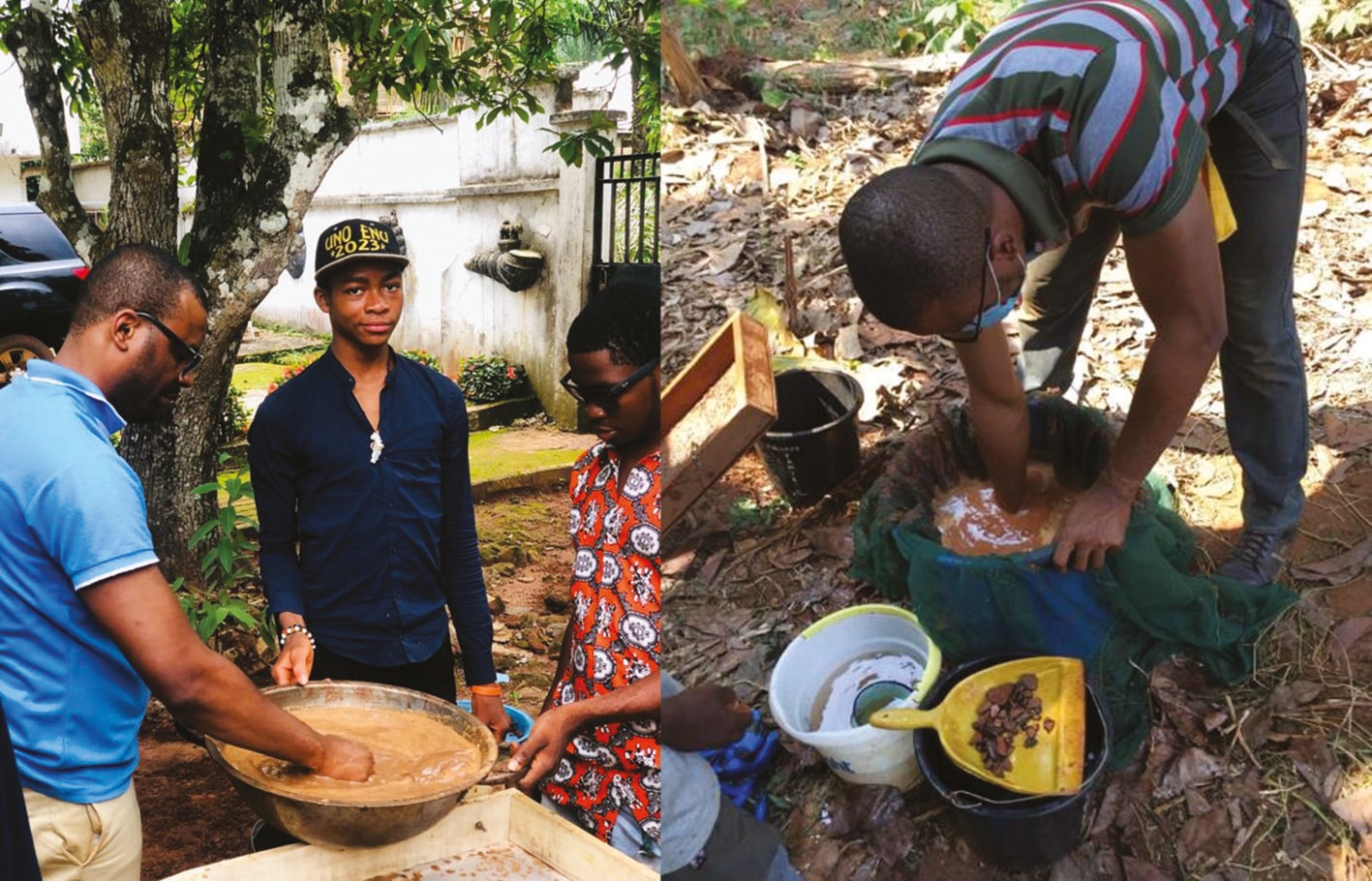
The paper then discusses the achievements, challenges, and prospects associated with the growth of archaeobotany, emphasising the need for local capacity building to advance the field. Recent archaeobotanical research in Igbo-Ukwu is used as a case study, demonstrating the ongoing work in the region and the potential it holds for understanding the paleoenvironment and early agricultural practices. Palynological and botanical macro-analysis of samples from recent excavations at IgboUkwu reveals the presence of wood charcoal, food residue, seeds/fruits such as Elaeis guineensis, Vitex sp., Pennisetum glaucum syn. Cenchrus americanus and Canarium sp., as well as fungal and pteridophyte spores, all associated with the 10th–13th century CE cultural deposits.
The paper concludes that south-east Nigeria offers great potential for unlocking Africa’s rich agricultural history and hence the need to develop archaeobotanical research in the region.
See full publication below: